01
Kanban
See work move, stall and block in real time.
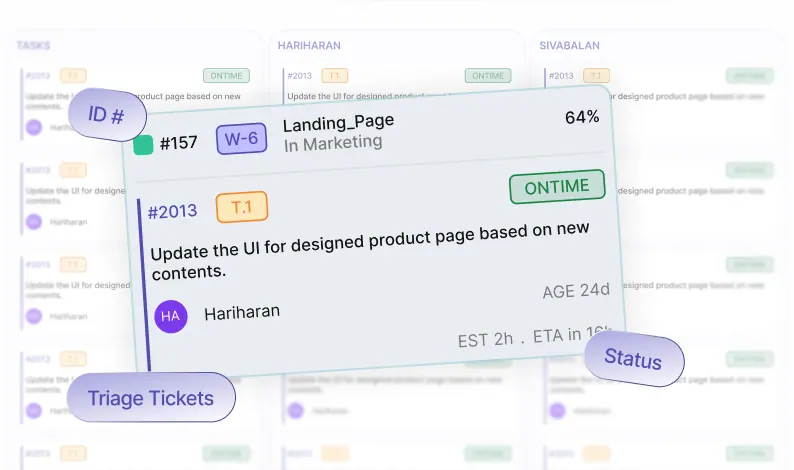
Make delivery decisions using real execution data — team capacity, work progress, historical delivery pace, dependencies and changing project conditions.
Capacity / Pace / Dependencies / Rework / Scope
Pragmr / Delivery Confidence
Live78%
Confidence
Expected ETA
AUG 14 +2D
[ 01 ]/The Problem
P.01
A project can appear on schedule while execution is already slowing down.
P.02
Availability, workload, leave and competing projects affect delivery.
P.03
Blocked tasks, approvals and handoffs can silently move the delivery date.
P.04
Past delivery pace and rework patterns can provide valuable signals for future estimates.
The problem isn't simply planning the project. The problem is knowing whether the plan is still achievable as execution changes.
[ 02 ]/Root Cause
Capacity
Availability
Workload
Leave
Capability
Skills
Ownership
Assignment
Execution
Progress
Pace
Rework
When these signals change, delivery probability changes.
[ 03 ]/The Pragmr Solution
Projects, milestones, work orders and tasks.
Teams perform and update the actual work.
Pragmr captures execution, capacity and workflow signals.
Current performance is compared with historical patterns and planned outcomes.
Identify whether delivery remains achievable.
Reallocate, reprioritize, re-estimate or intervene early.
[ 04 ]/How It Works
See work move, stall and block in real time.
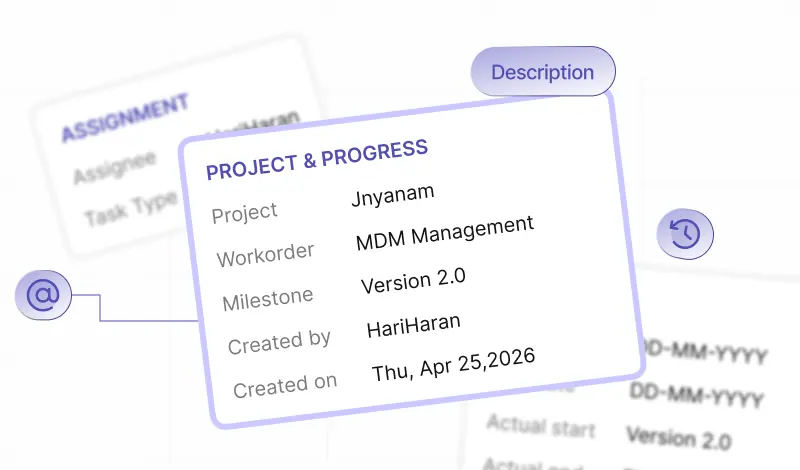
Map projects, milestones and work in one structured plan.
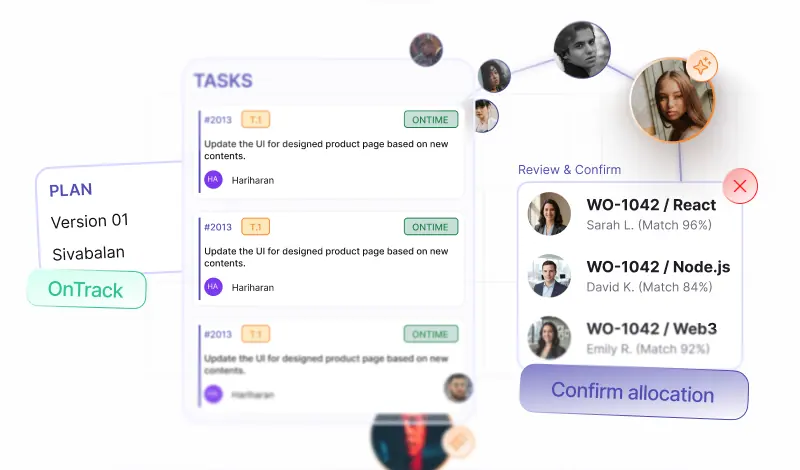
Turn plans into scoped, assignable units of work.
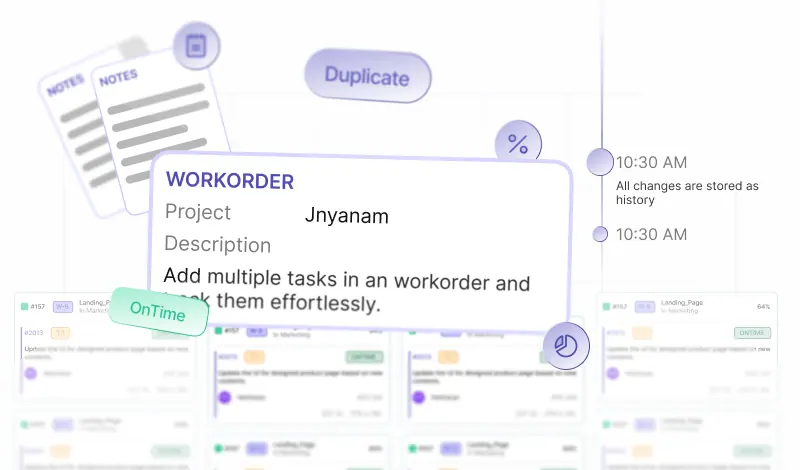
Break work into trackable execution items.
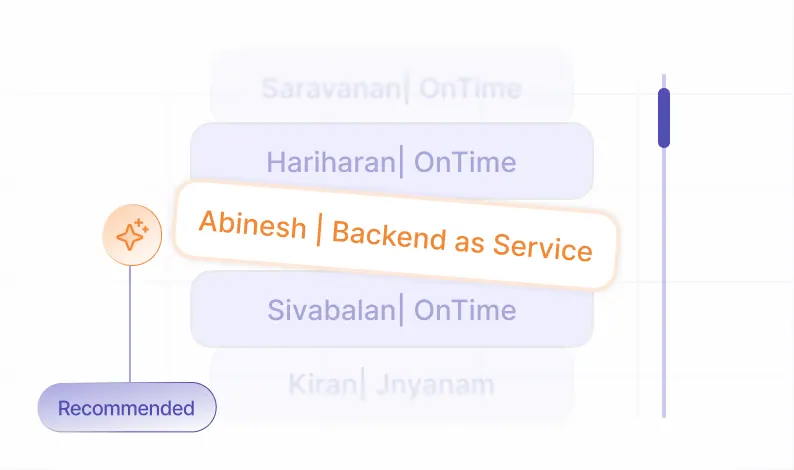
Match work to the right people by skills and capacity.
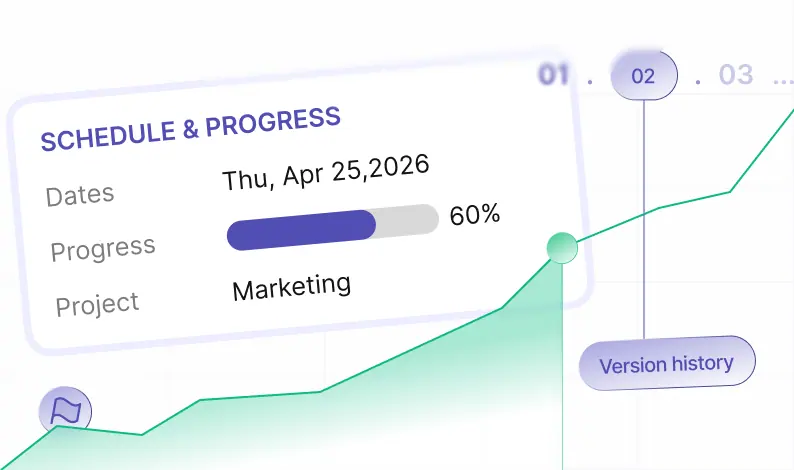
Track the checkpoints that define delivery.
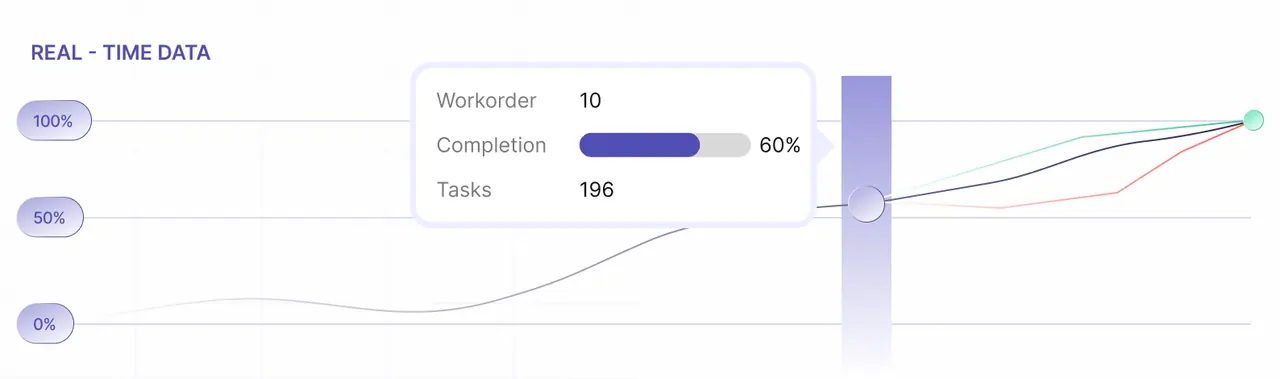
Compare execution against plan and history.
[ 05 ]/Data Inputs
Data Signal
What It Tells You
01Team capacity
Can the available team actually handle the remaining work?
02Task progress
How much work has actually been completed?
03Historical delivery pace
How long does comparable work typically take?
04Dependencies
What could prevent work from progressing?
05Workload
Is someone overloaded across projects?
06Skills
Is the assigned person suitable for the work?
07Rework
Is execution taking longer than expected?
08Scope changes
Has the original delivery assumption changed?
[ 06 ]/Delivery Confidence
82%
On Track
Is the expected ETA still achievable?
74%
Watch
Is actual progress keeping pace with the plan?
61%
At Risk
Does available capacity support the remaining work?
91%
Strong
Are blockers and dependencies threatening delivery?
76%
Watch
Are bottlenecks, aging and rework increasing delivery risk?
The shift
Instead of asking “Are we on track?” ask “What evidence tells us whether we can still deliver?”
[ 07 ]/Use Cases
Primary Market
You sell delivery dates. Pragmr tells you whether each commitment is still achievable — while there is still time to act on it.

Identify capacity and execution risks before they affect delivery commitments.

Keep multi-site, multi-phase fieldwork predictable as conditions and approvals change.

See workload and utilization pressure building before it slips a client date.

Connect roadmap commitments to actual execution pace, rework and team load.
[ 08 ]/Product Experience
Okay, this isn't just an idea. There is an actual system behind it.
[ 09 ]/Business Outcomes
Identify emerging risks earlier.
Understand workload and capacity before allocating work.
Use actual historical execution to improve future planning.
Connect planning with real execution.
[ 10 ]/Proof
See how Pragmr connects planning, execution and delivery visibility in one workspace.
Pragmr is onboarding its first teams now. Every number you see in the product comes from your own execution data — capacity, pace, dependencies, rework — not from manufactured benchmarks.
[ 11 ]/Get Started
Stop relying only on status updates. Understand the signals behind your delivery confidence.
No commitment. See how Pragmr works with your delivery workflow.